
Apples and Apple Things
Apple Season In North Carolina
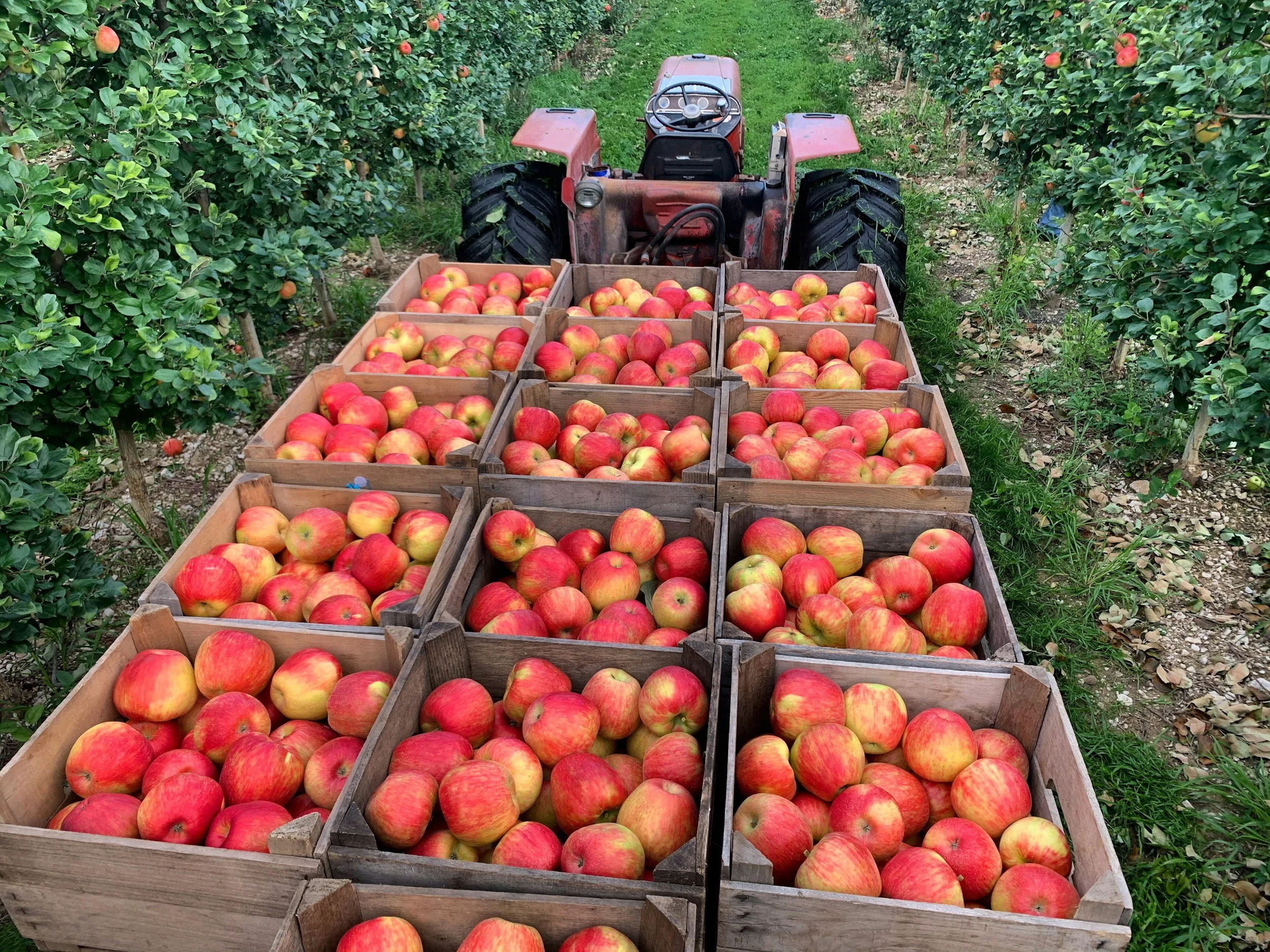
Apple Season in Brevard & the Surrounding Mountains
If there's one tradition that defines fall in Western North Carolina, it's apple season. Just up the road from Ecusta RV Park, Henderson County (centered around Hendersonville) is one of the largest apple-growing regions on the East Coast — North Carolina ranks 7th in the nation for commercial apple production, and most of that comes from the orchards a short drive from our door. Here's what you need to know to plan your visit.
When Is Apple Season?
Apple season in this area begins in early August with pick-your-own dwarf apple trees and continues through mid-October, weather permitting. If you're chasing a specific variety, Honeycrisp — the most-requested U-pick variety — ripens in mid-September and is usually picked out by mid-to-late October, so the sweet spot for the widest selection is generally mid-September through early October. Most orchards plant 8 to 20 varieties and stagger ripening across the whole September–October window, so there's almost always something ready to pick no matter when you visit.
Where to Go U-Pick
The heaviest concentration of orchards is about 30–40 minutes northeast of Brevard, in and around Hendersonville. A few standouts:
Justus Orchard (Hendersonville) – A family legacy spanning over 100 years and five generations, growing around 19–21 apple varieties. Open 7 days a week from August 4th through early November for the 2026 season. Known for fried apple pies, a jumping pillow, a cow train for the kids, and a taproom serving hard cider, craft beer, and wine.
Sky Top Orchard (Zirconia, near Flat Rock) – Perched high in the Blue Ridge Mountains, family-owned and operated since 1967, still hand-picking apples and pressing cider fresh on-site. Known for sweeping mountain views, farm animals, and a bamboo forest. Requires a reservation for U-pick in 2026 — no walk-ins.
Grandad's Apples N' Such (Hendersonville) – 120 acres of apple trees with more than 30 varieties, plus a corn maze, playground, apple cannon, and a cow train. One of the most recommended orchards in the area for families.
Jeter Mountain Farm (Hendersonville) – A first-generation apple farm on more than 400 acres, located just minutes from both downtown Hendersonville and Brevard — likely your closest option from Ecusta RV Park. Apple U-pick opens September 4th, 2026, and also requires a reservation. Beyond apples, U-pick includes peaches, berries, sunflowers, and grapes, with live bluegrass on weekends and a BBQ food truck on-site.
Stepp's Hillcrest Orchard (Hendersonville) – Over 21 varieties across 70 acres, with a tractor ride through the orchard for anyone who'd rather ride than walk.
Mountain Fresh Orchards (Hendersonville) – 17 varieties, fresh-made pies, and an Apple Express train — sits on the same road as Grandad's, so it's easy to combine both into one trip.
A quick planning tip: Sky Top, Jeter Mountain, and Windy Hill all require an appointment or reservation for U-pick this year rather than allowing walk-ins, so it's worth booking ahead through their websites or Facebook pages before you head up the mountain.
What Else Is There to Do
Apple orchards in this area are rarely just about the apples. Expect corn mazes, hay rides, farm animals, playgrounds, and — almost universally — a bakery. If you're picking for fresh eating, look for Honeycrisp, Gala, or Empire; for pies and baking, Granny Smith, Cortland, Mutsu, or Northern Spy; for applesauce, McIntosh or Cortland; and for cider, a blend of Jonathan, McIntosh, and a sweet variety.
Nearly every orchard on this list sells fresh cider and apple cider donuts on-site, and several — Justus, Sky Top, and Grandad's among them — have full bakeries turning out fried apple pies, apple butter, and more.
The NC Apple Festival
If you want the full celebration, plan your trip around Labor Day weekend. The 2026 NC Apple Festival runs September 4th through 7th in downtown Hendersonville, with a street fair, live music, arts and crafts vendors, a food court, and the festival's famous parade closing out the weekend. It's one of the largest apple festivals in the Southeast and a great way to kick off apple season if your visit lines up with the holiday.
What to Expect to Pay
U-pick apple pricing typically runs $20–$40 per peck (roughly 10–13 lbs) or $30–$60 per half-bushel (roughly 20–25 lbs), with premium varieties like Honeycrisp running 20–30% above the standard rate. Some orchards also charge a separate admission or hayride fee on weekends, typically $5–$15 — worth budgeting for if you're visiting on a Saturday.
Closer to Home
While the biggest orchards are clustered around Hendersonville, several of these same farms sell at farmers' markets in Asheville, Brevard, and Black Mountain, so if a full orchard trip doesn't fit your schedule, keep an eye on the Brevard farmers' market for fresh, local apples without the drive.
Whichever orchard you choose, it makes for an easy half-day trip from Ecusta RV Park — pick a bag of apples in the morning, and you'll be back in time to watch the sunset over Pisgah Forest with a warm apple cider donut in hand.
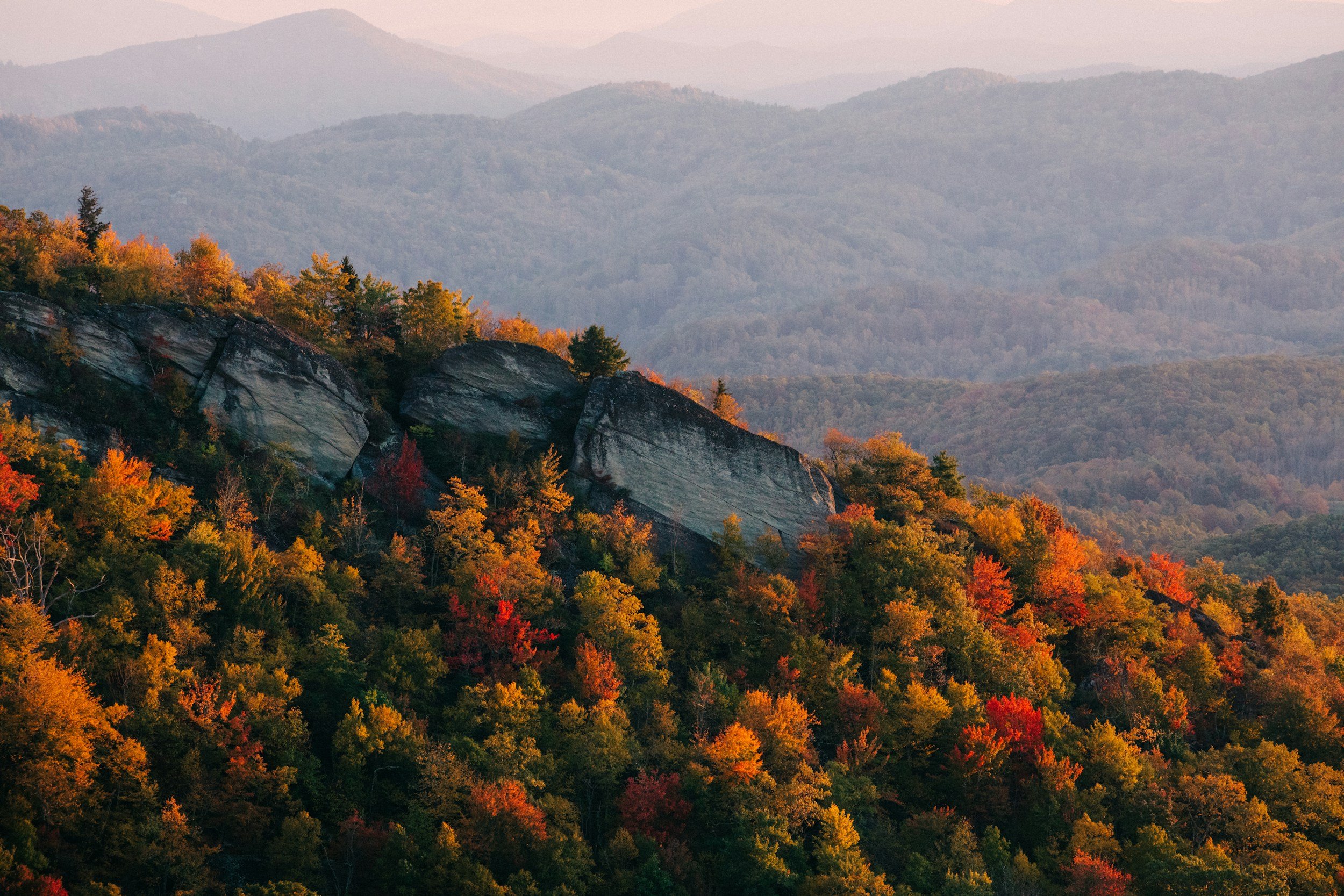
Things to Do This Fall in Brevard & Pisgah Forest: Festivals and Leaves
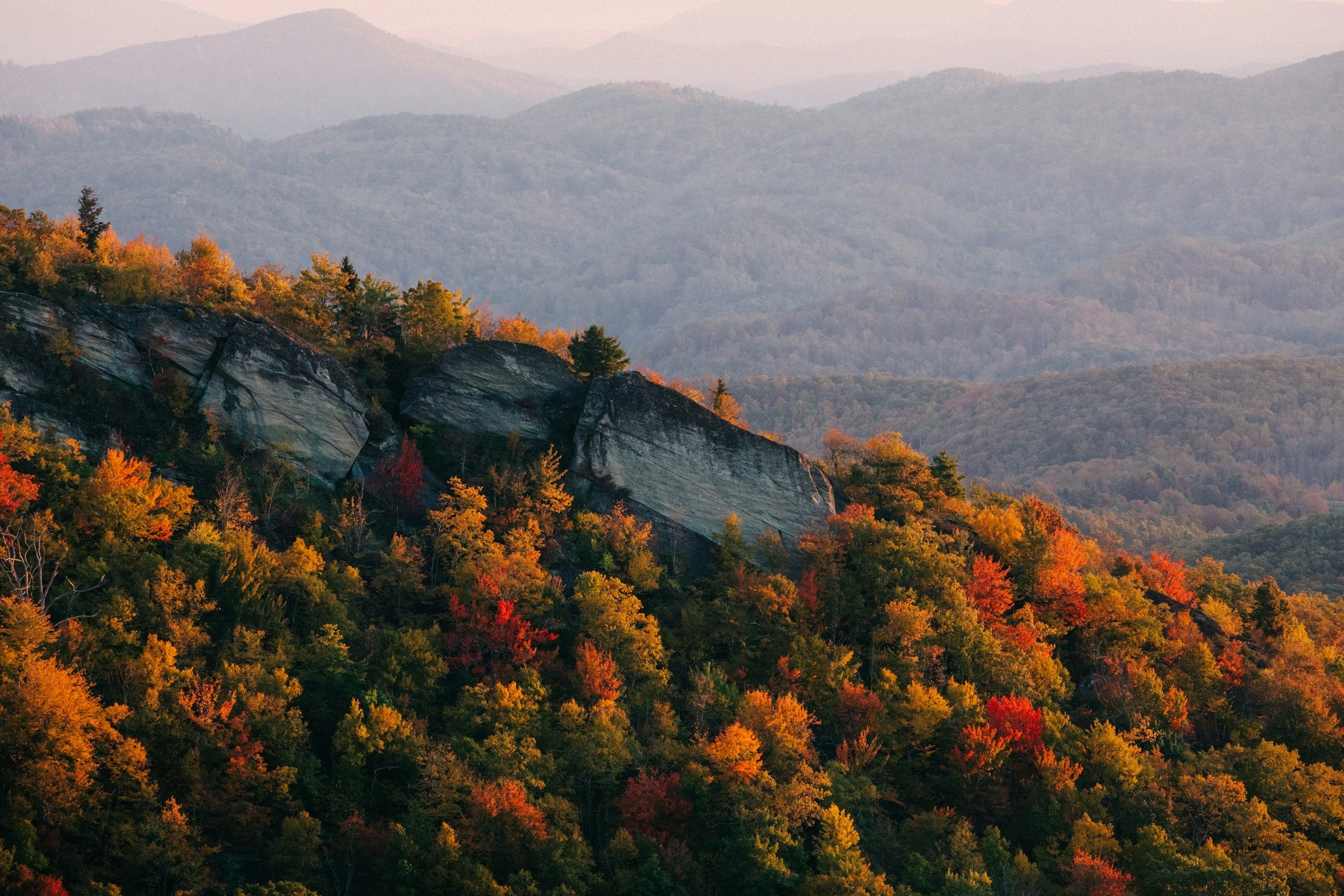
There's a reason so many of our guests at Ecusta RV Park circle back for fall. The crowds thin out, the air turns crisp, and the mountains surrounding us put on one of the best color shows in the country. If you're rolling in this season, here's how to spend your days.
Chase the Fall Color
Western North Carolina's mixed hardwood forests mean the leaf show unfolds in stages, moving from the higher elevations down into the valleys. October is typically peak season for our area, with color often lingering into early November at lower elevations like ours. Grab a coffee across the street at Pisgah Coffee Roasters and take a scenic drive along the Blue Ridge Parkway, just minutes from the park, and pull off at the overlooks for some of the best views in the Southeast. Come back to your quiet RV spot for a campfire and sunset while still enjoying those fall mountain views from your campsite (best views from sites 21-26).
Waterfalls Are Even Better in the Fall
Pisgah National Forest is home to hundreds of waterfalls, and autumn light through the changing leaves makes them even more photogenic — plus, the summer crowds are gone.
Looking Glass Falls – An easy, roadside stop with a dramatic 60-foot drop.
Sliding Rock – A summer swimming spot, but still a fun stop for photos in fall.
Moore Cove Falls – A short, family-friendly hike behind a shaded waterfall.
Daniel Ridge Falls Loop – A local favorite with creek crossings and multiple falls along the trail.
Hit the Trails
Cooler temperatures make fall one of the best times of year for hiking around here. Whether you're after an easy waterfall walk or a serious climb, Pisgah has it:
Art Loeb Trail – A legendary, challenging ridge hike for experienced hikers craving big views (there are shorter portions with great views, doable with kids in tow).
Looking Glass Rock Trail – A steady climb rewarded with sweeping mountain vistas at the top.
John Rock Trail – A quieter option with excellent valley views and fewer crowds.
*Check out the website for detailed hiking info.
Pisgah is also famous for its mountain biking — Cedar Mountain and the trails just outside the forest boundary are worth exploring if you brought your bike.
Explore Downtown Brevard
Downtown Brevard is only a short drive from the park and is worth an afternoon on its own. Wander the shops, grab a bite at one of the local restaurants, and keep an eye out for Brevard's famous white squirrels around Brevard College and Silvermont Park.
Fall Festivals & Events
Brevard leans into the season with several events worth planning your trip around:
Brevard Plein Air Festival – A six-day celebration of outdoor painting held each September, with artists setting up around downtown Brevard, the waterfalls, and mountain vistas to capture the early hints of fall color.
Mountain Song Festival – A beloved bluegrass and acoustic music festival held in mid-September.
Pumpkin Fest at Silvermont Park & Mansion – A glowing trail of carved pumpkins, live music, food trucks, and a white squirrel scavenger hunt, held in the weeks before Halloween.
Halloweenfest & Osktoberfest – Downtown Brevard's Halloween celebration, held the Saturday before Halloween (October 24, 2026), with a costume parade, live music, a beer garden, and trick-or-treating along Main Street.
Exact dates shift year to year, so it's worth checking the Explore Brevard events calendar before you plan around one.
Apple Season & Local Flavor
Fall in the mountains means apple season. A short drive up toward Hendersonville puts you in the heart of NC apple country, with orchards offering U-pick apples, fresh cider, and apple donuts. Closer to home, check out Brevard's local breweries and farm stands for seasonal fare.
Slow Down at the Campsite
Some of the best fall memories are made without leaving the park. Build a campfire, watch the leaves drift down, and take in cool mountain evenings that make for perfect sleeping weather. Fall is quieter here, and that's exactly the point.
Ready to book your fall stay? Contact us or BOOK YOUR STAY today — the leaves won't wait.
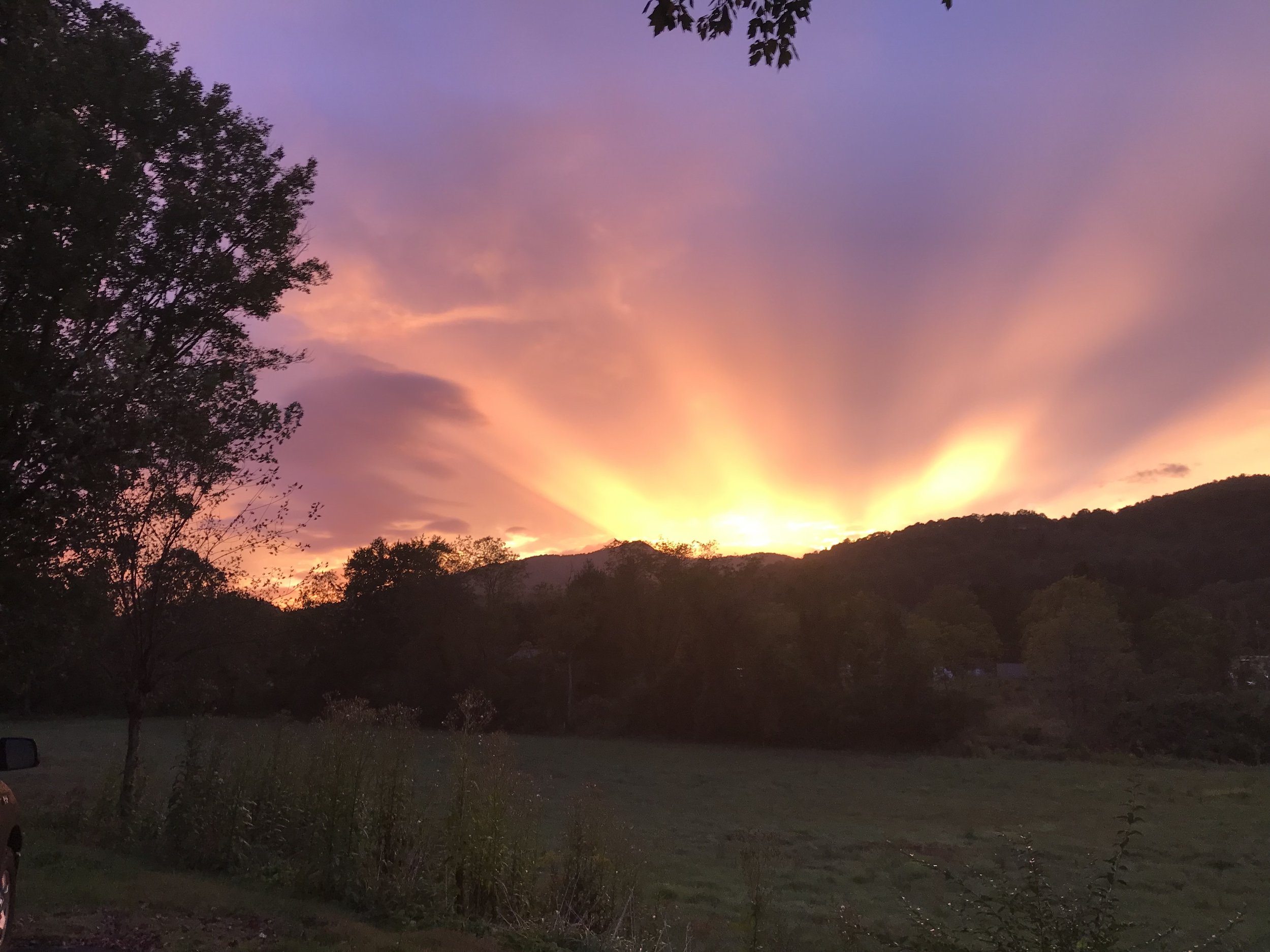
Summer at Ecusta RV
Summer at Ecusta RV
NO FILTER Sunset from Ecusta RV Park
Brand New Park, Big Mountain Adventure — Welcome to Ecusta
We are thrilled to be open and welcoming guests to Ecusta RV Park for our first summer season in Pisgah Forest, NC. This has been a dream in the making, and we couldn't be more excited to share this incredible corner of Western North Carolina with you.
A brand new park in one of the best spots in the Southeast
Ecusta RV Park was built from the ground up right here in Pisgah Forest — just minutes from the charming shops, restaurants, and breweries of downtown Brevard. Spacious gravel sites, brand new picnic tables, and a mix of open and shady sites tucked under the trees give you options whether you want morning sun or a cool canopy overhead.
We're nestled between the Blue Ridge Mountains and the headwaters of the French Broad River, surrounded by some of the most spectacular outdoor terrain anywhere in the country. This isn't just a place to park — it's your launchpad.
Adventure is right outside your door
When people say Pisgah Forest is special, they mean it. The DuPont State Recreational Forest and Pisgah National Forest are practically in your backyard — offering hundreds of miles of hiking and mountain biking trails, stunning waterfalls like Triple Falls and Hooker Falls, world-class fly fishing, and whitewater paddling on the Davidson River.
Spend your mornings on the trails and your evenings back at camp with a fire crackling and the sound of the mountains all around you. That's the Ecusta experience.
Plan ahead — summer fills fast
Pisgah Forest is one of the most sought-after outdoor destinations in the entire Southeast, and summer weekends go quickly. We're brand new, so now is the perfect time to come experience the park while things are fresh and the season is just getting started.
Pack a rain layer — Blue Ridge afternoons love a good thunderstorm — and get ready for some of the freshest mountain air you've ever breathed.
Come be part of our first summer
We'd love to have you. Book your site and come see what Ecusta is all about.
Reserve your site today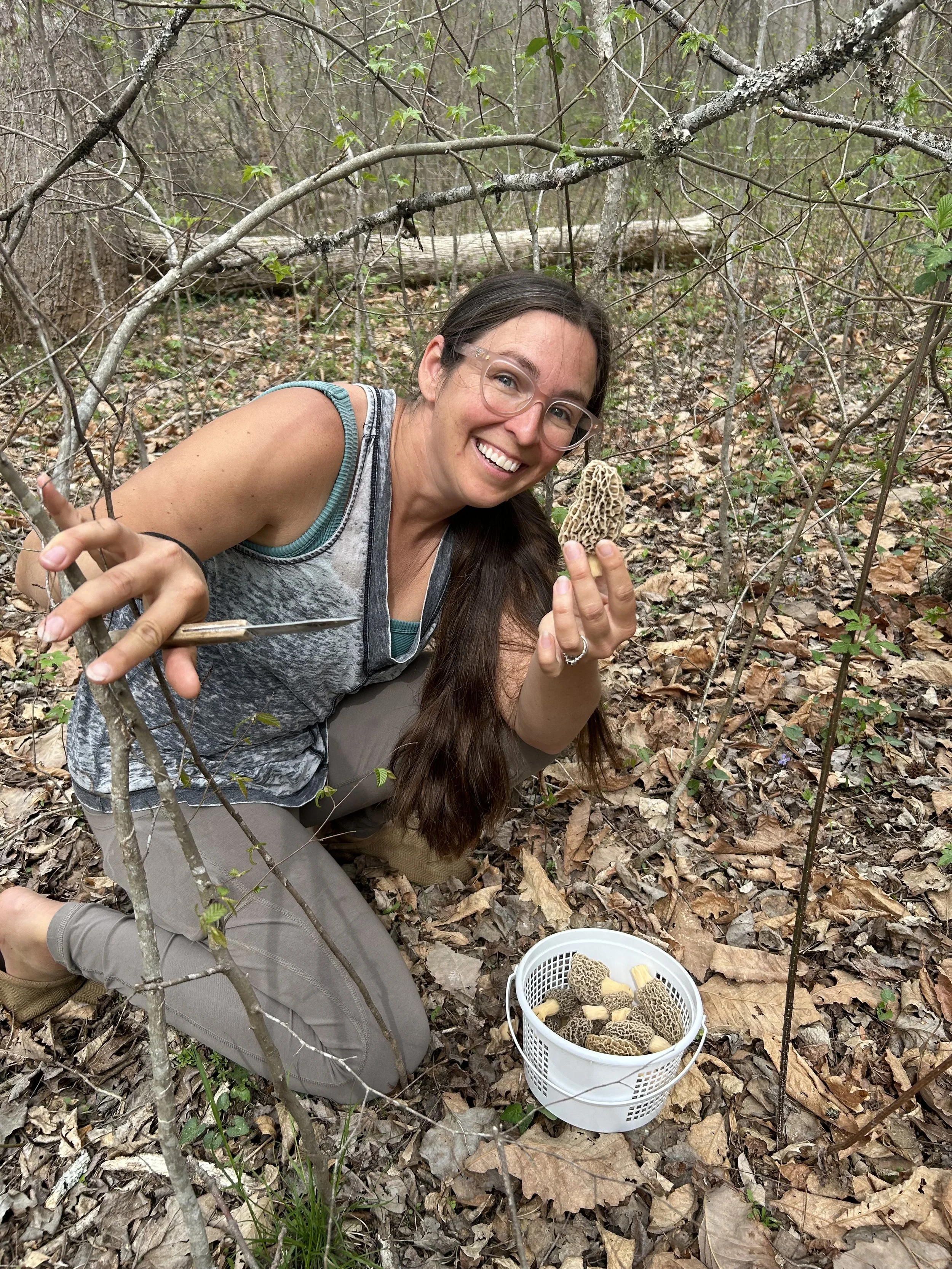
Spring Mushroom Foraging in North Carolina
Spring Awakening: Discover the Thrill of Morel Mushroom Foraging Near Ecusta RV Park in North Carolina
As the last winter chills fade and the dogwoods burst into bloom across North Carolina, spring signals one of the most exciting times for outdoor enthusiasts: morel mushroom season! If you're planning an RV getaway to our park this March, April, or May, why not add a little adventure to your trip? Morel foraging combines fresh air, light hiking, and the reward of finding one of nature's gourmet treasures—perfect for RVers who love exploring our beautiful forests and trails.
Why Morels Are a Spring Highlight in North Carolina
Morels (Morchella species) are among the most sought-after wild mushrooms, with their distinctive honeycomb-like caps and earthy, nutty taste that chefs rave about. In NC, the season typically kicks off in late March and runs through early May, with the sweet spot often mid-to-late April. Warmer soil temps (around 50–60°F), recent rains, and budding trees like dogwoods or tulip poplars are your best cues.
Western NC spots (near the mountains) might see them a bit later, but they're reliable across much of the state.
Pisgah National Forest — This is one of the top recommendations for mushroom foraging in Western NC, including morels. The forest surrounds much of the area around Brevard (including nearby DuPont State Recreational Forest and parts accessible from trails like those near Looking Glass Falls or along the Davidson River). Focus on deciduous hardwood areas with trails, slopes, and disturbed spots. It's public land, so foraging for personal use is generally allowed (check current USFS rules for any restrictions).
Areas around the Blue Ridge Parkway and nearby forests — Higher elevations and mixed hardwood forests here can produce morels, especially in "sweet coves" (rich, moist valleys) or along woodland edges.
Private land or local wooded areas — With permission, check old orchards (apple trees are a classic associate), dying or dead elms/ashes/tulip poplars, south-facing slopes that warm early, or recently disturbed/burned spots (though major burns are less common locally).
Key tips for finding morels near Brevard:
Look near specific trees — Over 80% of finds in NC are within 15 feet of dying/recently dead tulip poplar (large straight trunk, puzzle-like bark), elm, ash, or old apple trees. These are strong indicators.
Habitat preferences — Deciduous woods, woodland trails/edges, south- or southeast-facing slopes (they warm faster), grassy verges near white pine, or creek bottoms in foothills. Avoid low river bottoms unless in Piedmont-style areas (morels are less common lower down; better at mid-elevations).
Other signs — Spring wildflowers like bloodroot or trillium often appear around the same time. Morels blend into leaf litter, so scan slowly from different angles and walk ridges/hillsides methodically.
Elevation note — In the mountains around Brevard/Asheville area, morels may fruit a bit later than lower elevations (sometimes 2-3 weeks behind Piedmont spots), and some reports suggest they're more reliable above Asheville or in certain coves around 2600+ ft.
(Note: Chanterelles, those golden, fruity-flavored gems, are more of a summer treat starting in late spring/early summer, so save that hunt for a June or July return visit!)
Tips for Safe and Successful Morel Foraging
Foraging is rewarding, but safety comes first—always positively identify your finds, as some wild mushrooms are toxic.
Go with a guide or group — Join a local mycology club (like the Asheville Mushroom Club) or take a guided foray for beginners. Apps and field guides help, but nothing beats expert eyes.
Know what to look for — Morels have a pitted, honeycomb cap that's fully attached to the stem (no skirt or partial attachment like false morels/Verpas). They grow in clusters near dead/dying trees, old orchards, or disturbed ground.
Best conditions — Hunt after a good rain when days hit 60°F+. Early mornings are ideal.
Gear up — Bring a mesh bag (to spread spores), knife, basket, water, bug spray, and a phone for photos/ID checks. Wear sturdy shoes for uneven terrain.
Rules matter — Forage only on public lands where allowed (check regulations!) Never eat anything unless 100% sure, and start small if trying new edibles.
Sustainability — Take only what you need, leave some behind, and avoid over-harvesting.
Pair It with Your RV Stay
Imagine waking up at our park, enjoying coffee at your site, then heading out for a morning hunt. Return with a handful of morels to sauté with butter and garlic over your campfire or grill—simple, delicious, and unforgettable. Combine it with other spring favorites: wildflower hikes, fishing in nearby streams, or just relaxing under blooming trees.
Spring spots fill up fast, so book your RV site now and make this the season you discover NC's hidden edible gems. Have you foraged morels before? Share your tips in the comments—we'd love to hear!
Happy foraging, and see you soon at Ecusta RV Park!
Chasing Panoramas: Hiking the Art Loeb Trail to Black Balsam Knob & Tennent Mountain
Hiking the Art Loeb Trail: Black Balsam Knob Adventure
If you’re looking for one of the most breathtaking day hikes in the Blue Ridge Mountains, the Art Loeb Trail at Black Balsam Knob should be at the top of your list. This trail section is a favorite for hikers seeking sweeping panoramic views, high-elevation balds, and a rewarding adventure.
Overview
The Art Loeb Trail is a multi-day National Recreation Trail, but the segment around Black Balsam Knob makes an excellent day hike option. This portion combines moderate-to-strenuous hiking with some of the most iconic vistas in the Southern Appalachians. From open grassy balds to rocky ridgelines, the scenery is truly unmatched.
Trail Distance (Round Trip from parking at FS 816 / Graveyard Fields): ~6–8 miles
Difficulty: Moderate to Strenuous
Elevation: Peaks at ~6,214 ft at Black Balsam Knob
What to Expect
Starting from the Graveyard Fields or Shining Rock Trailhead, the trail quickly leads you through lush hardwood forests. Early sections are shaded and dotted with streams, offering a refreshing break in the warmer months. As you ascend, the forest opens up, giving way to high-elevation grassy balds with unobstructed views of the surrounding Blue Ridge Mountains.
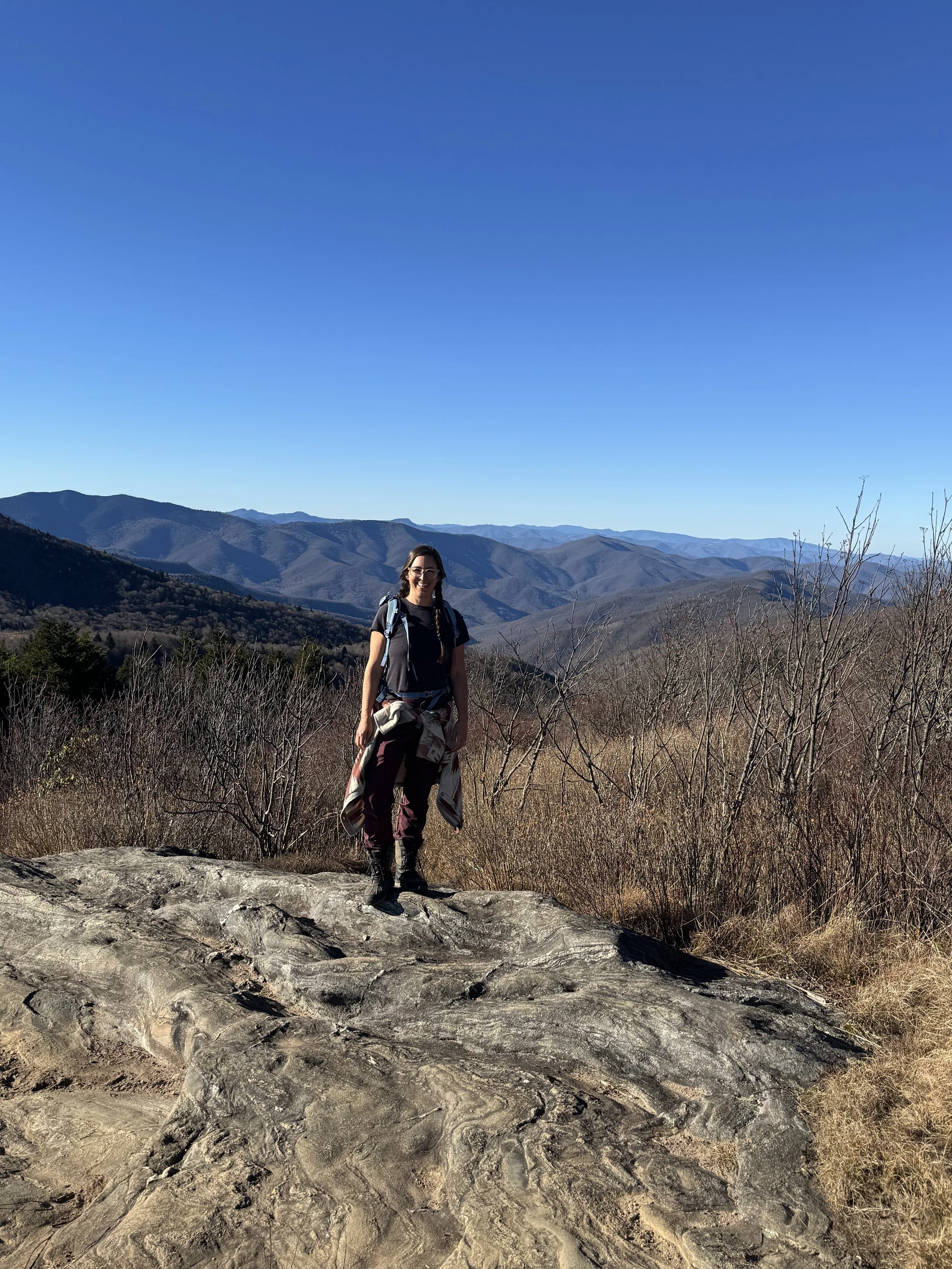
At Black Balsam Knob, you’ll be rewarded with 360-degree panoramic views. On a clear day, you can see from the Pisgah National Forest to the Nantahala National Forest, making it a prime spot for photography or simply soaking in the majesty of the mountains.
Tips for Hikers
Timing: Early morning is best for fewer crowds and soft light for photos.
Weather: The high balds are exposed, so bring layers and be prepared for wind.
Trail Conditions: Sections can be rocky and muddy; sturdy hiking boots are recommended.
Water & Snacks: Bring plenty of water—there are few water sources once you leave the lower forest.
Wildlife: Keep an eye out for native birds and occasional deer along the trail.
Why Hike Black Balsam Knob
This section of the Art Loeb Trail is ideal for hikers who want dramatic mountain vistas without committing to a multi-day trek. The mix of forested trails, open balds, and high ridgelines makes it perfect for both seasoned hikers and adventurous beginners who are ready for a moderate challenge. It’s also a fall favorite, with golden foliage framing every ridge.
If you’ve ever dreamed of hiking through open, windswept balds with 360-degree mountain views, the Art Loeb Trail in Pisgah National Forest is calling your name. One of the most iconic sections of this trail takes you to Black Balsam Knob and, if you’re up for a bit more adventure, continues on to Tennent Mountain. With a variety of trailheads, waterfalls, and lush forests along the way, it’s a hike that delivers big rewards without a full multi-day commitment.
Why Black Balsam Knob is Special
Perched at 6,214 feet, Black Balsam Knob is one of the highest points along the Art Loeb Trail. Unlike the dense forests you’ll encounter earlier in the hike, the knob opens to grassy “balds” — wide, exposed meadows with sweeping views in every direction. On a clear day, you can see the Pisgah National Forest stretching out beneath you, with ridges rolling into the Shining Rock Wilderness and beyond.
If you continue a bit farther along the trail, Tennent Mountain adds another ridge with stunning panoramic views, making it perfect for hikers who want a longer day adventure. From spring wildflowers to crisp fall foliage, this hike is a year-round favorite for both locals and visitors. Pack layers, plenty of water, and a camera — the views are worth it.
Trail Access Options
Option 1: Black Balsam Road Trailhead (Short & Easy)
This is the quick route to the balds, perfect if you’re short on time or just want the summit views:
Distance: ~0.75–1 mile one-way (~1.5–2 miles round-trip)
Elevation Gain: ~400–500 ft
Highlights:
Starts in shaded forest before opening into the grassy balds
Minimal effort to reach Black Balsam Knob summit
Panoramic 360° views at the top
Extension: Add ~1.5 miles to reach Tennent Mountain for a longer ridge walk and extra vistas
Option 2: Graveyard Fields Trailhead (Longer & Scenic)
For those seeking a full-day hike, starting at Graveyard Fields adds waterfalls, streams, and forested meadows along the way:
Distance: ~3.5 miles one-way to Black Balsam (~7 miles round-trip; ~9 miles round-trip if including Tennent Mountain)
Elevation Gain: ~1,000 ft
Highlights:
Begin with the beautiful waterfalls of Graveyard Fields
Hike through lush hardwood forests and open meadows
Gradually ascend to Black Balsam Knob
Optional extension to Tennent Mountain for more panoramic ridgeline views
This route is ideal if you want to experience a mix of forest, streams, and open summits all in one hike.
What to Expect on the Trail
Forest sections: Cool shade, streams, and small waterfalls (especially from Graveyard Fields)
High-elevation balds: Open, windy, and exposed — layers are essential, even in summer
Views: 360° from Black Balsam Knob; additional ridgeline views from Tennent Mountain
Difficulty: Easy–Moderate from Black Balsam Road; Moderate–Strenuous from Graveyard Fields