
Spring Mushroom Foraging in North Carolina
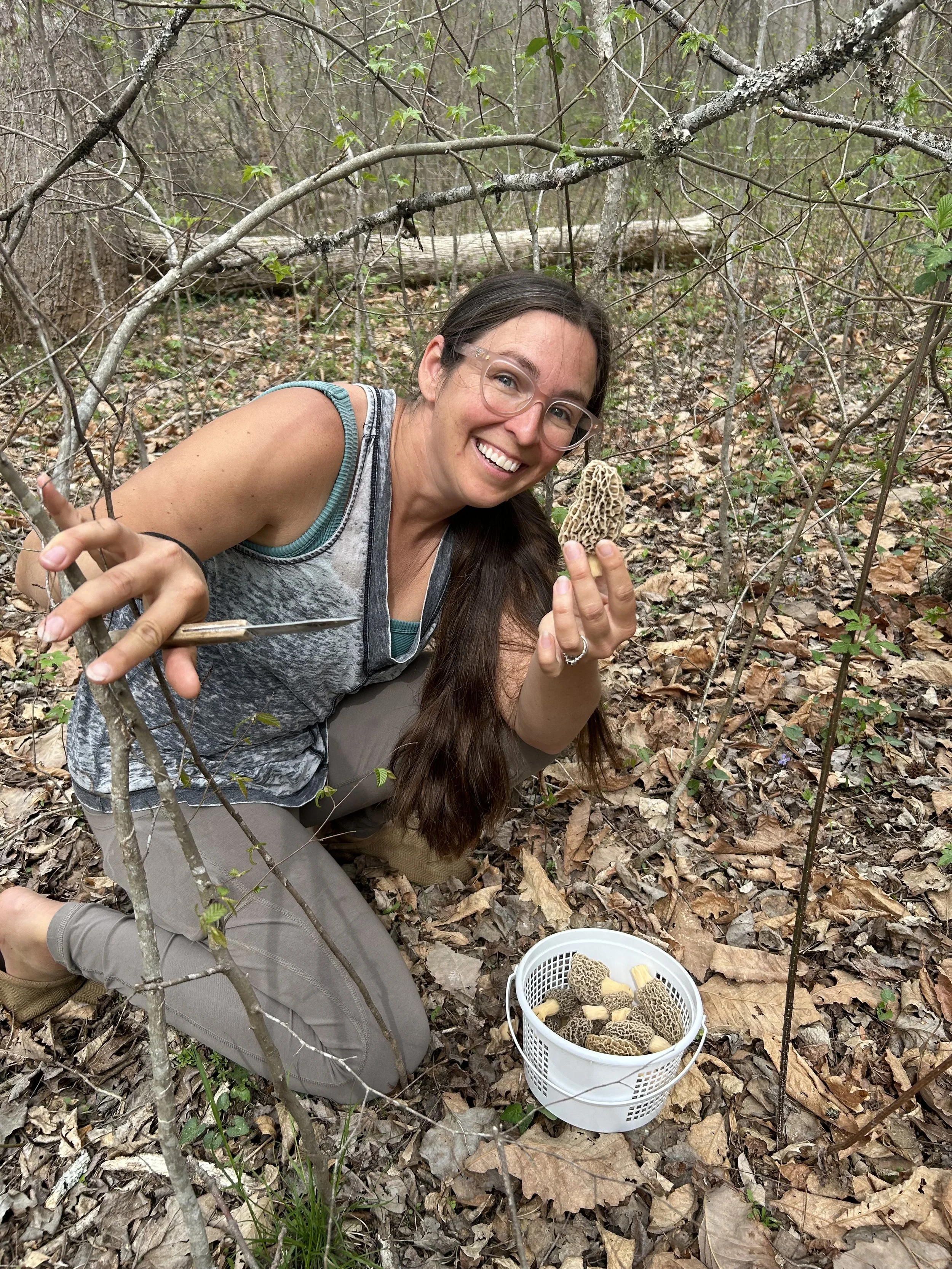
Spring Awakening: Discover the Thrill of Morel Mushroom Foraging Near Ecusta RV Park in North Carolina
As the last winter chills fade and the dogwoods burst into bloom across North Carolina, spring signals one of the most exciting times for outdoor enthusiasts: morel mushroom season! If you're planning an RV getaway to our park this March, April, or May, why not add a little adventure to your trip? Morel foraging combines fresh air, light hiking, and the reward of finding one of nature's gourmet treasures—perfect for RVers who love exploring our beautiful forests and trails.
Why Morels Are a Spring Highlight in North Carolina
Morels (Morchella species) are among the most sought-after wild mushrooms, with their distinctive honeycomb-like caps and earthy, nutty taste that chefs rave about. In NC, the season typically kicks off in late March and runs through early May, with the sweet spot often mid-to-late April. Warmer soil temps (around 50–60°F), recent rains, and budding trees like dogwoods or tulip poplars are your best cues.
Western NC spots (near the mountains) might see them a bit later, but they're reliable across much of the state.
Pisgah National Forest — This is one of the top recommendations for mushroom foraging in Western NC, including morels. The forest surrounds much of the area around Brevard (including nearby DuPont State Recreational Forest and parts accessible from trails like those near Looking Glass Falls or along the Davidson River). Focus on deciduous hardwood areas with trails, slopes, and disturbed spots. It's public land, so foraging for personal use is generally allowed (check current USFS rules for any restrictions).
Areas around the Blue Ridge Parkway and nearby forests — Higher elevations and mixed hardwood forests here can produce morels, especially in "sweet coves" (rich, moist valleys) or along woodland edges.
Private land or local wooded areas — With permission, check old orchards (apple trees are a classic associate), dying or dead elms/ashes/tulip poplars, south-facing slopes that warm early, or recently disturbed/burned spots (though major burns are less common locally).
Key tips for finding morels near Brevard:
Look near specific trees — Over 80% of finds in NC are within 15 feet of dying/recently dead tulip poplar (large straight trunk, puzzle-like bark), elm, ash, or old apple trees. These are strong indicators.
Habitat preferences — Deciduous woods, woodland trails/edges, south- or southeast-facing slopes (they warm faster), grassy verges near white pine, or creek bottoms in foothills. Avoid low river bottoms unless in Piedmont-style areas (morels are less common lower down; better at mid-elevations).
Other signs — Spring wildflowers like bloodroot or trillium often appear around the same time. Morels blend into leaf litter, so scan slowly from different angles and walk ridges/hillsides methodically.
Elevation note — In the mountains around Brevard/Asheville area, morels may fruit a bit later than lower elevations (sometimes 2-3 weeks behind Piedmont spots), and some reports suggest they're more reliable above Asheville or in certain coves around 2600+ ft.
(Note: Chanterelles, those golden, fruity-flavored gems, are more of a summer treat starting in late spring/early summer, so save that hunt for a June or July return visit!)
Tips for Safe and Successful Morel Foraging
Foraging is rewarding, but safety comes first—always positively identify your finds, as some wild mushrooms are toxic.
Go with a guide or group — Join a local mycology club (like the Asheville Mushroom Club) or take a guided foray for beginners. Apps and field guides help, but nothing beats expert eyes.
Know what to look for — Morels have a pitted, honeycomb cap that's fully attached to the stem (no skirt or partial attachment like false morels/Verpas). They grow in clusters near dead/dying trees, old orchards, or disturbed ground.
Best conditions — Hunt after a good rain when days hit 60°F+. Early mornings are ideal.
Gear up — Bring a mesh bag (to spread spores), knife, basket, water, bug spray, and a phone for photos/ID checks. Wear sturdy shoes for uneven terrain.
Rules matter — Forage only on public lands where allowed (check regulations!) Never eat anything unless 100% sure, and start small if trying new edibles.
Sustainability — Take only what you need, leave some behind, and avoid over-harvesting.
Pair It with Your RV Stay
Imagine waking up at our park, enjoying coffee at your site, then heading out for a morning hunt. Return with a handful of morels to sauté with butter and garlic over your campfire or grill—simple, delicious, and unforgettable. Combine it with other spring favorites: wildflower hikes, fishing in nearby streams, or just relaxing under blooming trees.
Spring spots fill up fast, so book your RV site now and make this the season you discover NC's hidden edible gems. Have you foraged morels before? Share your tips in the comments—we'd love to hear!
Happy foraging, and see you soon at Ecusta RV Park!
